Source thin slim lithium ion iphone battery for iPhone 14, iPhone 11, iPhone X
Find a selection of 30 thin slim lithium ion iphone battery units compatible with iPhone 14, iPhone 11, and iPhone X models. Buyers can compare specifications including voltage, capacity, and certifications from verified suppliers.
Key considerations
Products List




Comprehensive Sourcing Guide
Strategic Sourcing Guide for Thin Slim Lithium-Ion iPhone Batteries
The global demand for replacement mobile phone components continues to rise, with a specific focus on high-performance, space-efficient power solutions. For procurement professionals sourcing thin slim lithium-ion batteries specifically designed for iPhone devices, the market presents a complex landscape of technical specifications, compliance requirements, and quality variances. This guide provides a structured approach to navigating the supply chain for these critical components, ensuring that buyers can identify reliable suppliers and products that meet rigorous operational standards without relying on unverified claims. The following sections detail the essential technical parameters, certification landscapes, cost structures, and quality assurance protocols necessary for successful B2B procurement in this sector.
Technical Specifications and Capacity Parameters
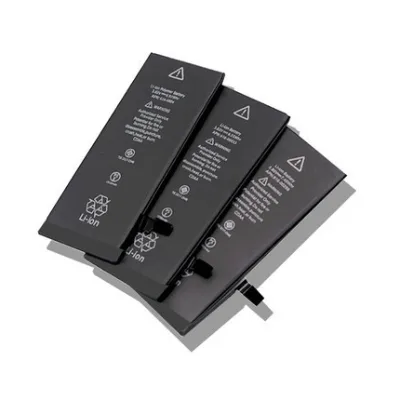
When evaluating thin slim lithium-ion batteries for iPhone replacement, the primary focus must be on the intersection of physical dimensions and electrical capacity. The market data indicates that these components are engineered to fit specific form factors, with models explicitly listed for devices such as the iPhone 14, iPhone 14 Pro Max, iPhone 11, iPhone X, and iPhone 8 Plus. The physical profile is critical; observed package sizes for these units are approximately 98.5mm by 42mm by 5.5mm, a dimension that aligns with the internal constraints of modern smartphone chassis. Buyers must verify that the "thin slim" designation corresponds to the actual physical envelope required for the specific device model, as a mismatch can lead to installation failures or casing damage.
Electrical performance is equally vital. The standard voltage for these lithium-ion cells is typically observed in the range of 3.8V, with some specifications noting a broader operational range of 3.5V to 4.0V. The charging limited voltage is a critical safety parameter, with observed data pointing to a limit of 4.35V. Capacity is a major differentiator in this category. While some listings reference a rated capacity of over 1000mAh, high-performance units for larger models often exceed 2600mAh, with specific instances of 3220mAh observed in stock. Procurement teams should not assume that all "thin" batteries offer identical capacity; the trade-off between slimness and energy density must be validated against the specific device's power consumption profile. Furthermore, the battery chemistry is consistently identified as Lithium-Ion, with a rechargeable nature confirmed across the product range. The battery lifetime is a variable metric, with observed estimates ranging from 24 hours to 120 hours of usage, a figure that depends heavily on the specific application and usage patterns of the end-user.
Compliance and Certification Verification
In the electronics supply chain, particularly for components containing lithium cells, compliance is non-negotiable. The presence of specific certifications serves as a primary indicator of a supplier's adherence to international safety and environmental standards. For thin slim lithium-ion batteries intended for the iPhone market, buyers must verify the presence of a robust certification suite. Observed product attributes include PSE, GS, FCC, CE, and CCC certifications, alongside specific packaging standards like GB18287. These certifications cover electromagnetic compatibility, electrical safety, and regional compliance for markets such as Japan, Germany, the United States, China, and the European Union.
Beyond general electrical safety, the transportation and chemical safety of lithium batteries are governed by strict international regulations. The supply data highlights the importance of MSDS (Material Safety Data Sheet) and UN38.3 certification. UN38.3 is the mandatory standard for the transport of lithium batteries, ensuring that the cells can withstand the rigors of shipping, including vibration, shock, and temperature extremes. Additionally, RoHS compliance is frequently cited, indicating that the product restricts the use of hazardous substances. Buyers should treat these certifications as mandatory prerequisites rather than optional features. A supplier unable to provide valid, up-to-date documentation for FCC, CE, UN38.3, and MSDS poses a significant regulatory risk, potentially leading to customs seizures or liability issues in the event of a safety incident. The "Simple" packaging mentioned in product attributes often correlates with bulk shipping, but the internal protection must still meet the rigorous standards required to maintain the integrity of the battery during transit.
Cost Drivers and Pricing Dynamics
The pricing of thin slim lithium-ion iPhone batteries is influenced by a complex array of factors, including capacity, certification depth, and order volume. The observed market price range for these components spans from $0.15 to $25.00 USD. This wide variance suggests that the market includes both entry-level generic replacements and high-grade, brand-name units. The lower end of the spectrum likely corresponds to batteries with minimal certification or lower capacity, while the higher end reflects units with full compliance documentation, higher mAh ratings, and potentially custom branding.
Minimum Order Quantity (MOQ) is another significant cost driver. The observed MOQ range is between 2 and 100 units, with a specific data point indicating an MOQ of 20 PCS for certain listings. This flexibility allows small retailers to test the market with low-volume orders, while larger distributors can negotiate better unit economics through bulk purchasing. However, buyers must be cautious of prices that seem abnormally low, as they may indicate compromised quality or a lack of necessary certifications. The "a+ Grade 100%" and "AAA+ Grade 100%" labels found in product descriptions suggest a tiered quality system, where higher grades command premium pricing. Customization services, such as logo design and specific packaging, also add to the cost. Suppliers offering "Customization: Yes" or "Available" may charge a setup fee or a higher per-unit cost for branded runs. Therefore, procurement strategies should balance the immediate cost per unit against the long-term value of quality assurance and brand reputation.
Typical Applications and Compatibility
The primary application for these components is the replacement of depleted or damaged batteries in mobile phones, specifically within the Apple ecosystem. The product attributes explicitly list compatibility with brands such as Apple and iPhone, with specific models including the iPhone 14, iPhone 14 Pro Max, iPhone 11, iPhone X, and iPhone 8 Plus. The "Keyword" tags reinforce this focus, with terms like "for iPhone Battery Replacement" and "Lithium Rechargeable Battery" being central to the product identity.
These batteries are designed to restore the original functionality of the device, ensuring that the phone can operate for extended periods between charges. The "Condition: 100% Brand" and "Products Status: Stock" attributes indicate that these are new, ready-to-ship components rather than refurbished or used units. This is crucial for end-users who require reliable performance and safety. The voltage and capacity specifications must match the device's original requirements to prevent issues such as overheating, rapid discharge, or failure to charge. The "Standard Voltage" range of 1.5V to 4.8V observed in some data points likely refers to the broader category of lithium batteries, but for iPhone-specific applications, the 3.8V nominal voltage is the standard. Buyers must ensure that the specific model number of the battery matches the exact iPhone model to guarantee proper fitment and electrical compatibility. The "Type" is consistently listed as "Standard Battery, Li-ion, Rechargeable Batteries," confirming their suitability for the high-drain applications typical of modern smartphones.
Supplier Evaluation and Quality Assurance
Selecting a reliable supplier is perhaps the most critical step in the procurement process. The market data reveals a concentration of supply from Guangdong and Guangzhou, China, which are established hubs for electronics manufacturing. However, geographic origin alone does not guarantee quality. Buyers should prioritize suppliers who demonstrate a commitment to quality control through documented standards. The presence of "SGS" as a product standard is a positive indicator, suggesting that the products undergo third-party testing. Additionally, the "Quality: a+ Grade 100%" and "AAA+ Grade 100%" claims, while subjective, imply a tiered internal quality system that buyers should request evidence for.
Warranty terms are another key metric for supplier evaluation. The observed warranty period of 12 months provides a baseline for buyer protection. A supplier offering a 12-month warranty demonstrates confidence in the longevity and reliability of their product. Conversely, suppliers offering no warranty or significantly shorter terms may be taking higher risks with their inventory. Buyers should also scrutinize the "Packaging" details. While "Simple" packaging is common, the availability of "PE Bag / Paper Baxes" and the option for "Logo Design" indicates a supplier capable of professional handling and branding. The "Customization: Yes" attribute suggests flexibility, but buyers must ensure that customization does not compromise the integrity of the battery cell or its safety certifications. Finally, the "Products Status: Stock" attribute is a strong indicator of supply chain stability, reducing the risk of lead time delays that can disrupt business operations.
Long-Term Procurement Considerations
Sourcing thin slim lithium-ion batteries is not merely a transactional activity but a strategic decision that impacts long-term business viability. The "Battery Lifetime" of 24 to 120 hours is a variable that depends on usage, but consistent performance over time is essential for customer satisfaction. Buyers should establish a relationship with suppliers who can provide consistent quality over multiple orders, rather than relying on one-off purchases. The availability of "Customization" services allows for brand differentiation, which can be a competitive advantage in the retail market. However, this must be balanced against the risk of supply chain complexity.
Furthermore, the regulatory landscape for lithium batteries is evolving. Buyers must stay informed about changes in certification requirements, particularly regarding UN38.3 and environmental regulations like RoHS. A supplier who proactively updates their certifications and maintains compliance with standards like SGS and GB18287 will be a more valuable partner in the long run. The "100% Brand" and "100% Quality" claims should be treated as observations of the specific product listings rather than absolute guarantees for all inventory. Continuous quality control checks, including random sampling and testing of incoming batches, are essential to maintain the integrity of the supply chain. By focusing on suppliers with a proven track record of compliance, consistent stock availability, and robust warranty support, buyers can mitigate risks and ensure a steady supply of high-quality thin slim lithium-ion batteries for the iPhone market.
FAQs
What certifications are required for thin slim lithium ion iphone battery shipments?
Required certifications include PSE, GS, FCC, CE, CCC, GB18287, MSDS, and UN38.3. These ensure compliance with international safety and transport regulations for lithium cells, preventing customs seizures and ensuring safe delivery to global markets.
Which voltage specifications apply to thin slim lithium ion iphone battery replacements?
The standard voltage is typically 3.8V, with some units operating between 3.5V and 4.0V. The charging limited voltage is observed at 4.35V, ensuring safe operation within the electrical constraints of compatible iPhone models like the 14 and 11.
How much capacity do high-performance thin slim lithium ion iphone batteries offer?
High-performance units often exceed 2600mAh, with specific stock items reaching 3220mAh. While some listings mention over 1000mAh, buyers must verify the exact capacity against the specific iPhone model to ensure adequate battery lifetime and performance.
Can suppliers provide customization for thin slim lithium ion iphone battery branding?
Yes, customization is available for logo design and specific packaging options like PE bags or paper boxes. This service allows buyers to create branded products, though it may affect the minimum order quantity and unit pricing structure.
What is the typical warranty period for thin slim lithium ion iphone battery products?
The observed warranty period is 12 months for these replacement batteries. This term indicates supplier confidence in product longevity, providing buyers with protection against defects and ensuring reliability for end-users of the mobile phone components.
Which iPhone models are compatible with these thin slim lithium ion iphone batteries?
Compatible models include iPhone 14, 14 Pro Max, 11, X, and 8 Plus. The batteries are designed as standard replacements with specific dimensions like 98.5mm by 42mm to fit the internal chassis of these Apple devices without modification.